
Everyone knows Soweto’s name. Far fewer know its streets.
I do, because I grew up on them. Kliptown is the oldest part of Soweto, a corner of Johannesburg most tours mention in passing on the way to the bigger, tidier landmarks. They shouldn’t. This is where the Freedom Charter was signed in 1955, where thousands of ordinary people gathered and set down what a free South Africa should be, years before anyone believed it could happen. Stand in Walter Sisulu Square today and you’re standing on the spot where the country’s conscience was written out loud.
But that’s the part you’ll find in a guidebook.
What I show travellers is the rest of it.
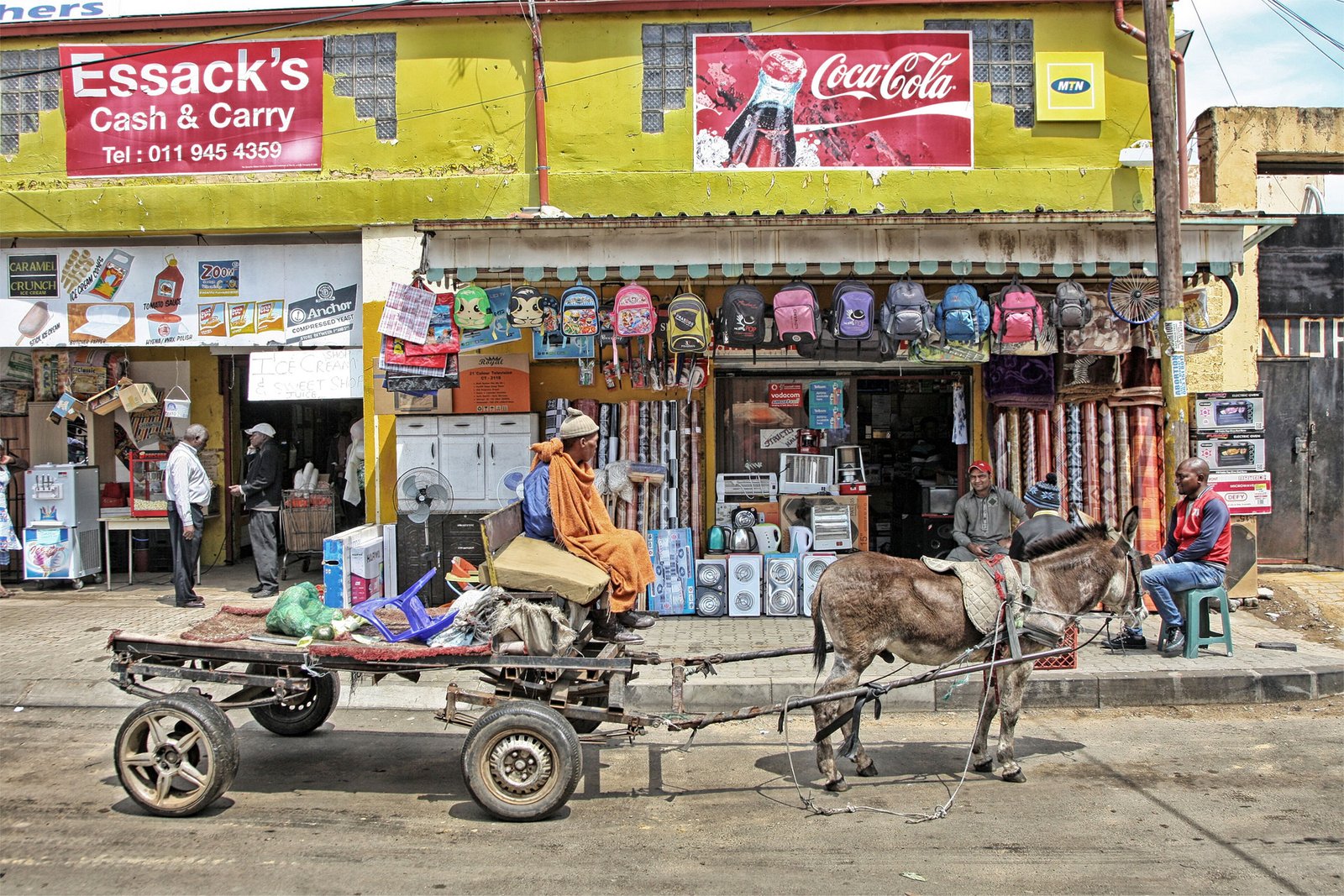
The corners the buses never turn down. The stalls where breakfast is served the way it’s been served for decades. The people who’ll talk to you, really talk to you, if you slow down long enough to let them. Kliptown is poor and it is complicated, and I won’t pretend otherwise. But it is also alive in a way the polished parts of any city never are, and the history here isn’t behind glass. It’s in the street, in the names, in the people who stayed.
I bring visitors here first, before anywhere else, because it sets the tone for everything that follows. You can’t understand South Africa from its postcards. You understand it from places like this, where the story is still being lived.
This is home. Let me show you why that means something.